

In recent seasons, a clear trend has emerged in Flanders and Dutch Limburg: people are swapping busy terraces for slower travel, close to home, with attention to nature and silence. Water recreation fits perfectly into that movement, especially in 2026 now that more visitors are consciously choosing calm, non-motorized outings. And that is exactly where the Meuse excels: a river that can appear calm today and show a completely different character tomorrow, ideal for learning, while paddling, to observe the landscape, the current, and life along the bank.
Anyone who gets into a kayak or canoe on the Meuse discovers not only a beautiful route, but also a story of rain, gravel bars, grazers, and birds. Below, you can read why this stretch of river is such a powerful mix of adventure and nature knowledge, and how to prepare smartly with the information from Kajak Maasland.
A rain river that greets you differently each time
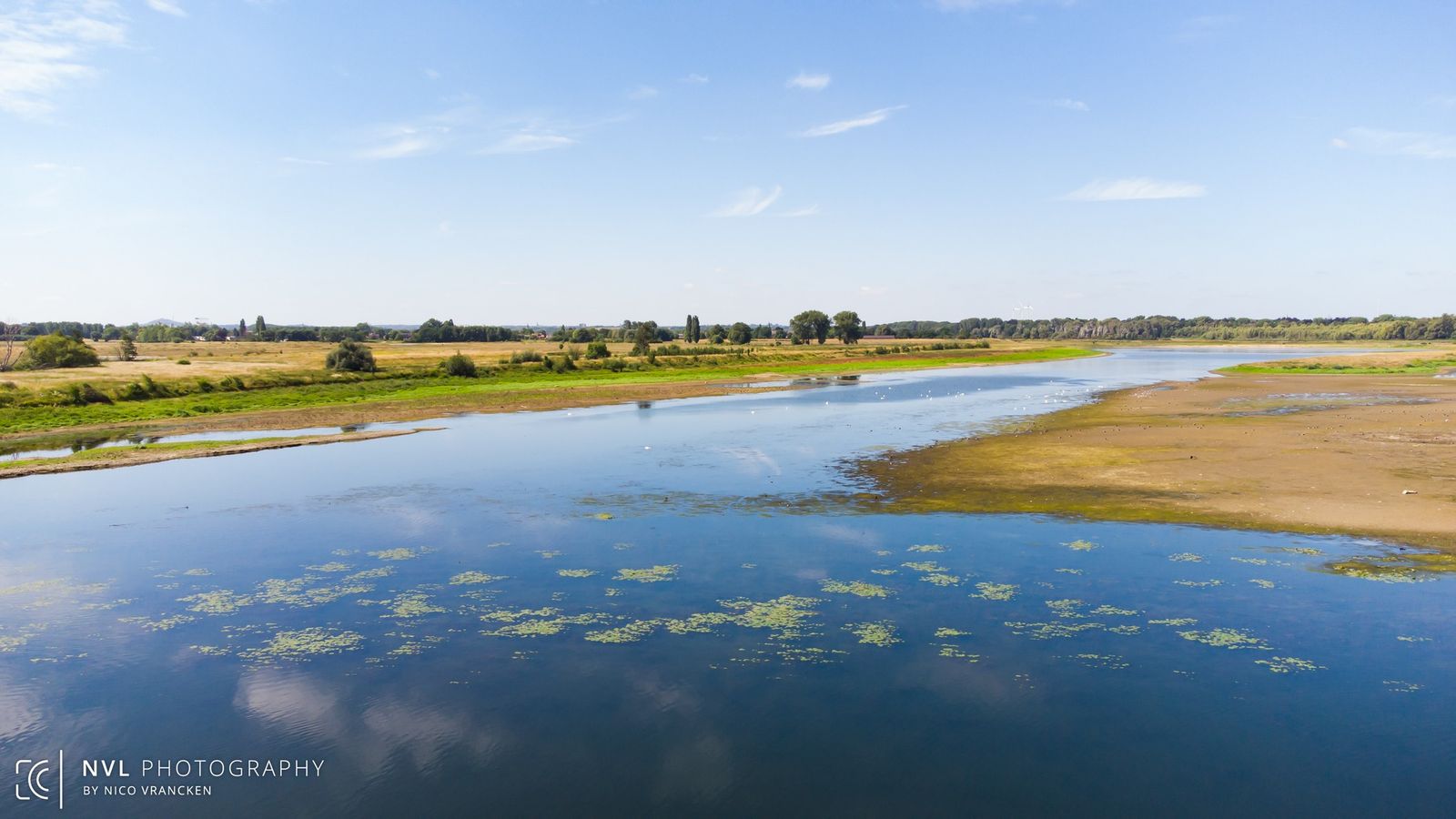
The Meuse is not a “fixed” river that behaves the same way all year round. It is a rain-fed river, which means that precipitation in its catchment area quickly affects its discharge. A clear explanation of the rain-fed River Meuse helps to better understand why your trip sometimes feels faster or, on the contrary, more calm.
What you notice as a boater:
- the water level can rise or fall in a short time, even if it seems dry locally
- the current speed varies with each bend, each narrowing, and even from day to day
- shallow areas and gravel banks can shift, causing the navigation line to change
That dynamic makes kayaking on the Meuse surprising: you read the water, choose your line, and notice how natural forces keep rewriting the scenery.
|
|
Rapids: not “high mountains,” but pure river logic
On the Common Meuse, rapids form in various places due to the interplay of the riverbed, gravel, narrowings, and water level. These are not wild waterfalls, but short stretches where the water gathers and picks up speed. That is exactly what gives a trip extra excitement, without it having to be a technical expedition.
Water levels and rapids on the Meuse are closely related:
- at higher water you feel more push and longer fast stretches
- at lower water shallows become more visible and steering becomes more important
- behind obstacles and bends eddies form where your boat can turn slightly
For many visitors, this is the most enjoyable moment of the day: paying attention for a moment, working together in the boat, and then returning to that calm gliding phase in which you almost effortlessly roll into the landscape.
River Park Maas Valley: a landscape that moves and breathes
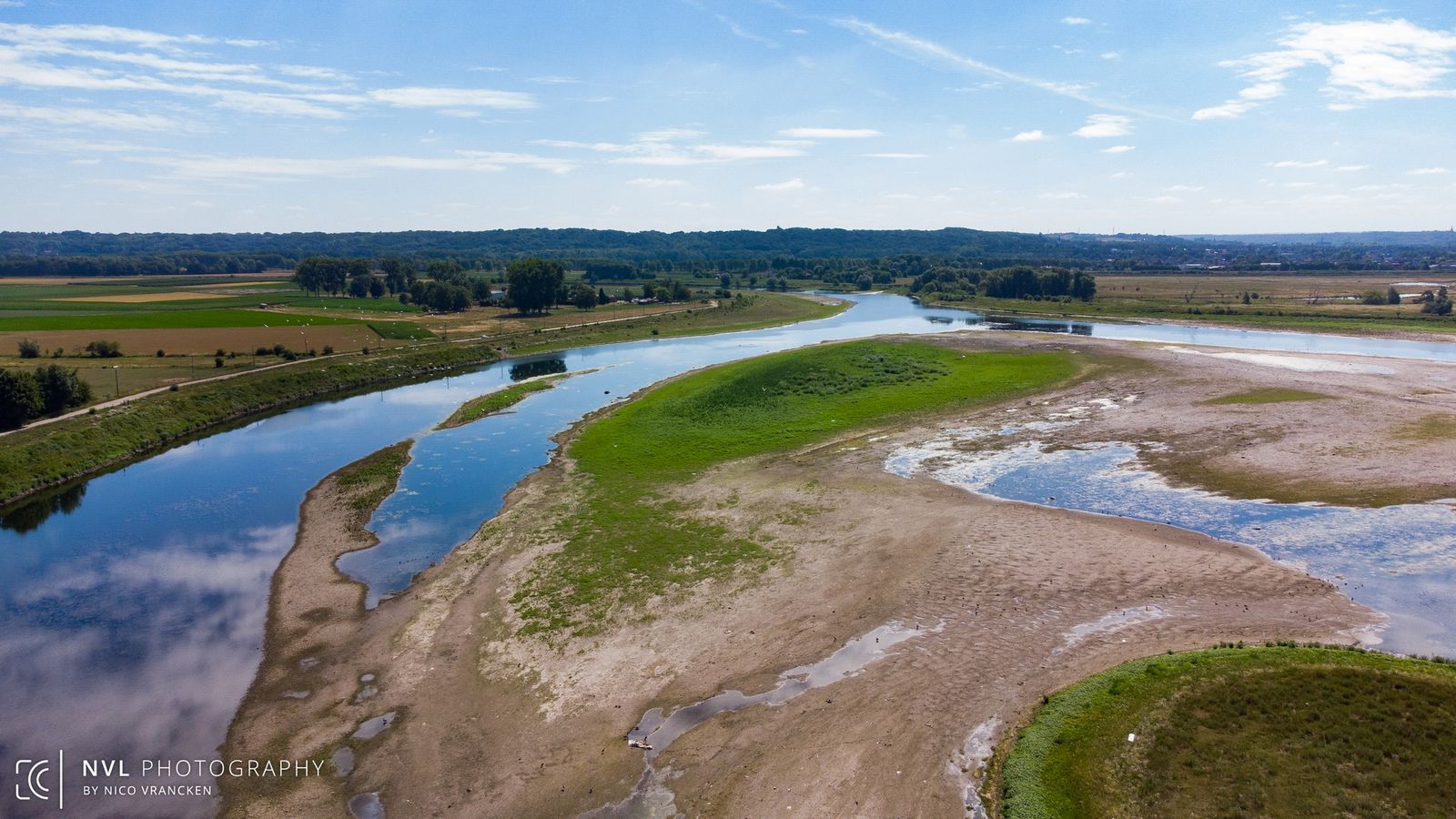
Anyone who wants to discover the Maasvallei River Park quickly notices that this is not a manicured park. It is a living river landscape, with room for water, gravel, floodplain forest, and open grasslands. Here, the river is literally given space to meander, flood, and create a new riverbed again.
From your kayak or canoe, you look at that area differently than from a walking path. Experiencing nature from the water means that you:
- sits low to the surface, so you notice birds and tracks more quickly
- glides along quiet banks where you often can’t reach on foot
- sees the transitions between current, side channel, gravel bar, and reed edge
You sail through a setting that is both robust and refined, with wide vistas and suddenly an intimate patch of willow scrub.
Flora and fauna along the Meuse Valley, from kingfisher to riverside plant
The flora and fauna of the Meuse Valley are closely linked to those fluctuating water levels. Some plants like wet feet, while others benefit from the gravel and sand that are deposited again and again. And animals follow the buffet: insects, fish, small mammals, and everything that preys on them.
What you can often encounter along the way (depending on the season and how calm the water is):
- waterfowl such as cormorants, geese, and ducks
- birds of prey scanning above the valley
- dragonflies and butterflies in the shelter of reed beds
- tracks along the shore, from footprints to slide marks in the mud
Those who paddle calmly and occasionally come to a stop notice that canoeing on the Meuse is much more than “getting from A to B”. It becomes a matter of looking, listening, and recognizing.
Large grazers as landscape builders: Galloways and Konik horses
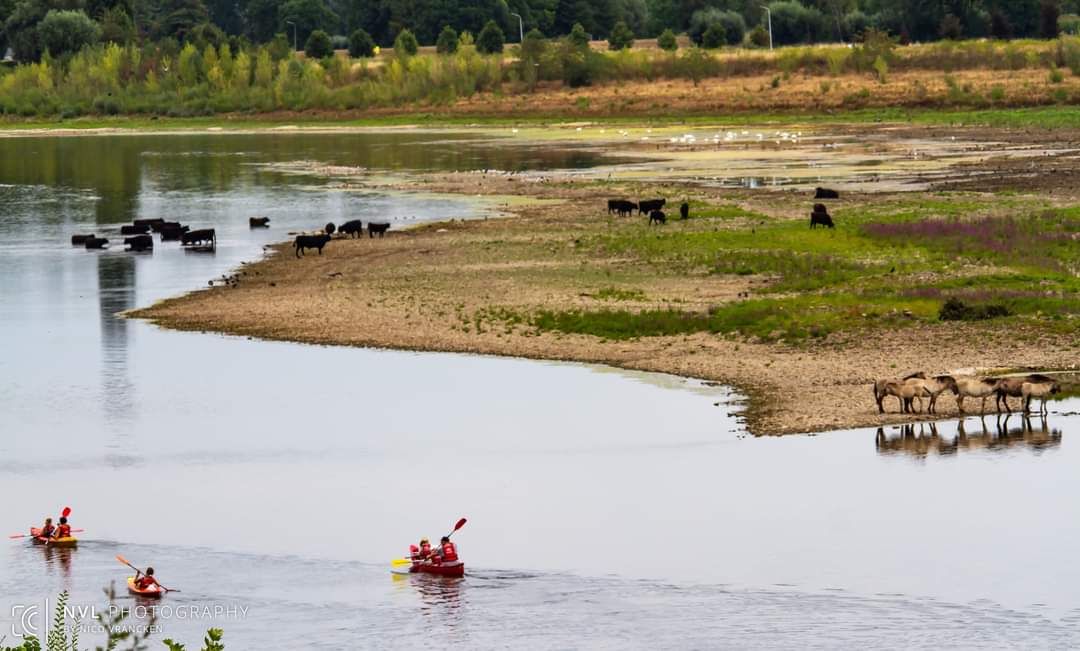
One of the most striking elements in this area are the large grazers. You sometimes see them suddenly appear around a bend: sturdy cattle or horses that keep calmly grazing while you glide past.
Large grazers, such as Galloways in the Meuse Valley, help keep the landscape open. By grazing and moving around, they prevent everything from becoming overgrown. Konik horses in the Meuse landscape also play a role in this: they create variation in vegetation height, create open spaces, and keep passages free for other species.
That creates a mosaic of:
- short grasslands with long views
- rougher areas with shrubs and young growth
- edges where flowers and insects benefit from the transition
For many visitors, this is the moment when the tour starts to feel like “a safari close to home,” but without engines and without grandstands.
Finally: let the Meuse be your guide, not your backdrop
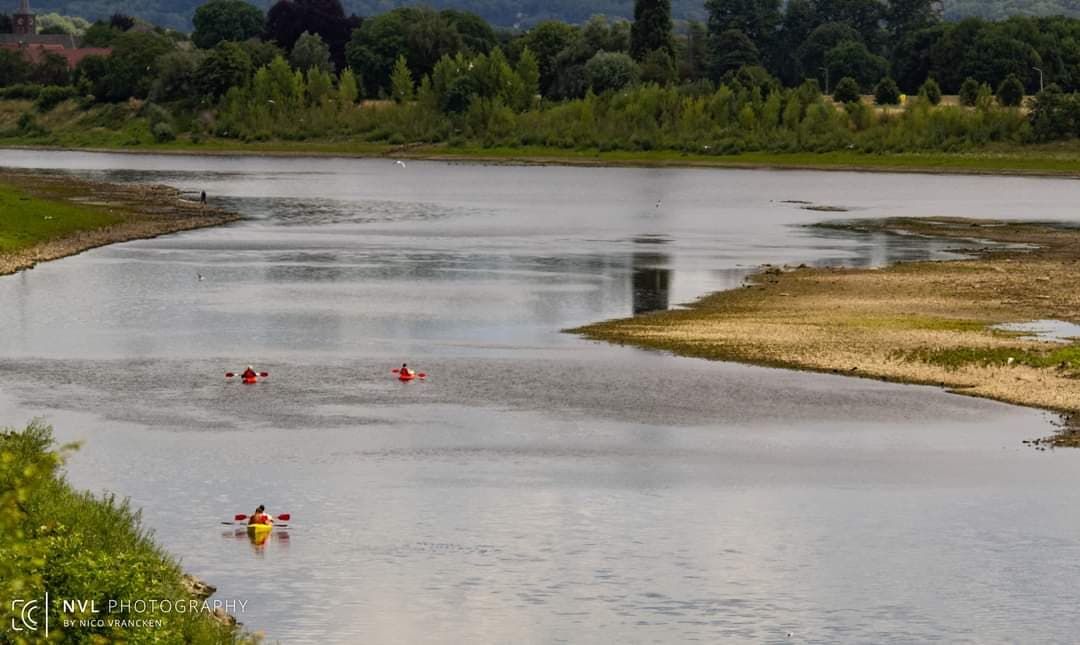
The Meuse is special because it is not merely scenery, but the main character. You feel the difference between low and high water, you see how gravel banks guide the current, and you discover how grazers and river plants together shape a landscape that never stands still. Anyone who truly experiences the Meuse Valley from the water even once will afterwards look differently at every bend and every riverbank.
|
|


